Best Garden Water Hose for Fish-Safe Aquaponics Systems
By Amina Okoye • 3rd Feb
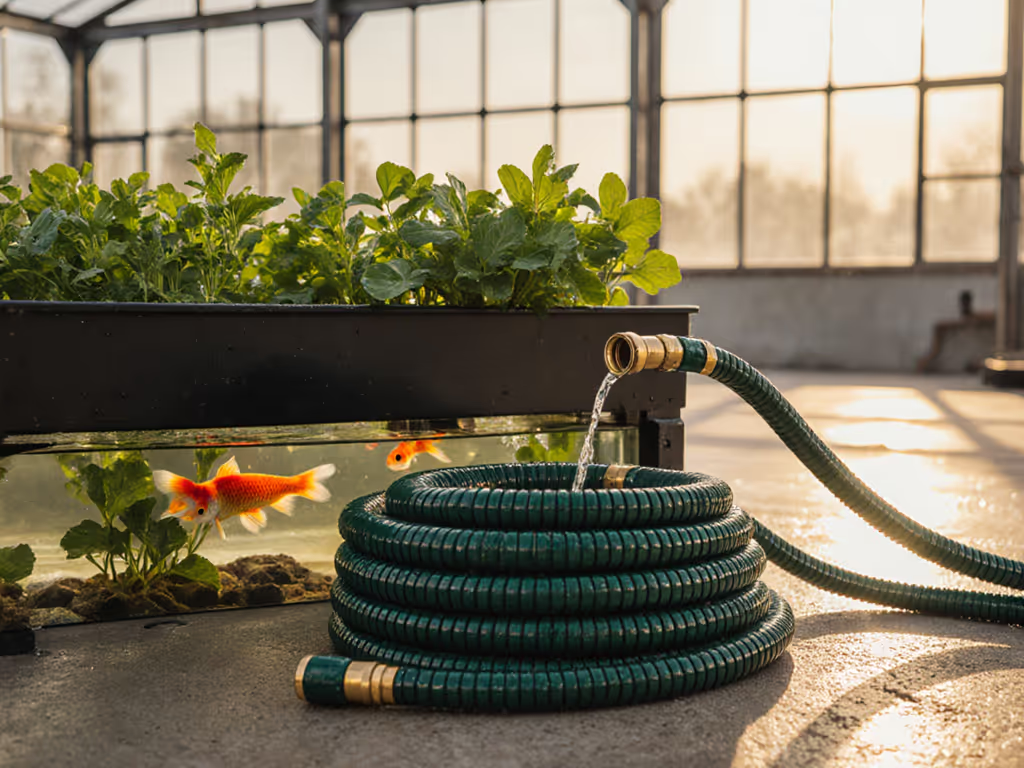
When you're growing food alongside fish in an aquaponics system, your garden hose isn't just a tool, it's part of your living ecosystem. That's why finding the best garden water hose that creates a truly fish-safe watering system is non-negotiable. Early in my community gardening journey, I learned this the hard way when a standard hose left us questioning what might be leaching into our herb beds. Comfort and safety are features, not accessories or afterthoughts. Today, I'll guide you through creating a strain-free setup that protects your fish, your plants, and your peace of mind (without straining your wrists).
Step 1: Understand Why Standard Hoses Fail Aquaponics Systems
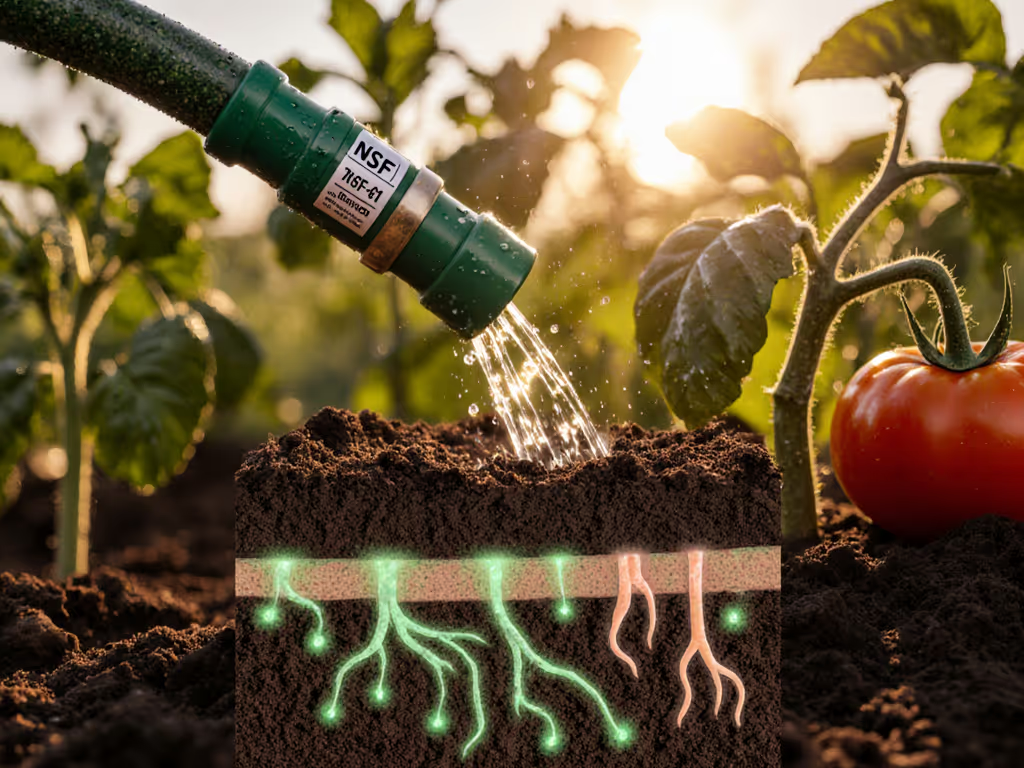
Most garden hoses contain materials that have no place near your fish or edible plants. Unlike regular gardening, aquaponics water circulation means everything in your hose eventually flows past your fish gills and plant roots. Standard PVC hoses often contain lead stabilizers, phthalates, and BPA, chemicals that might be acceptable for watering ornamental plants but pose serious risks in food production systems.
The plumbing code standard NSF-61 (which you can verify in the International Plumbing Code) specifies that materials in contact with drinking water must not leach harmful chemicals. For aquaponics, this standard should be your baseline, not an option. If a hose meets NSF-61 for potable water, it's generally safe for aquaponics, but look specifically for hoses labeled "food-safe" or "drinking water safe." For a deeper dive into certifications and safer materials, see our water-safe hose guide for edible gardens.
Remember: In aquaponics, your water is both fish habitat and plant nutrient solution. What goes into your hose goes into your food.
Step 2: Identify Truly Non-Toxic Hose Materials
Not all "lead-free" claims are equal. When selecting non-toxic hose materials, focus on these proven options:
-
Natural rubber hoses: Look for those explicitly labeled "food-grade" or "drinking water safe." These contain fewer chemical additives and are less likely to leach into your system. The thicker construction also means better durability.
-
Polyurethane hoses: These lightweight options often meet NSF-61 standards and resist kinking without plasticizers. They're particularly valuable for seniors or those with limited mobility who need lighter handling.
-
Avoid standard PVC: While heavy-duty PVC-O (oriented PVC) exists for industrial applications, most garden PVC hoses contain questionable additives. If you must use PVC, verify NSF-61 certification specifically for potable water applications.
When shopping, look for explicit certifications rather than vague "BPA-free" claims. A truly chemical-free hose option will list NSF-61, FDA compliance, or European food contact regulations. Don't hesitate to contact manufacturers directly, since reputable companies will provide material safety data sheets.
Step 3: Test for Comfort and Safety Before You Commit
Even the safest hose becomes problematic if it's uncomfortable to use regularly. Remember my core belief: If it's comfortable and safe, people use it right, longer. Try these simple tests before purchasing:
The Pour Test: Let water run for 30 seconds, then fill a glass. Does it smell strongly of rubber or plastic? Could you comfortably drink it? If not, neither should your fish.
The Kink Test: Lay the hose in a tight circle (like around your aquaponics beds). Can you easily straighten it without straining your wrists? A hose that fights you creates inconsistent water flow and frustrates daily use.
The Weight Test: Hold both ends of a 5-foot section. Does it feel manageable for extended watering sessions? Lightweight hoses reduce fatigue, especially important for daily aquaponics maintenance.
These tests reflect what I witnessed in our community garden when we switched to lighter, certified-safe equipment, and watering became something people looked forward to, not dreaded.
Step 4: Ensure Recirculating System Compatibility
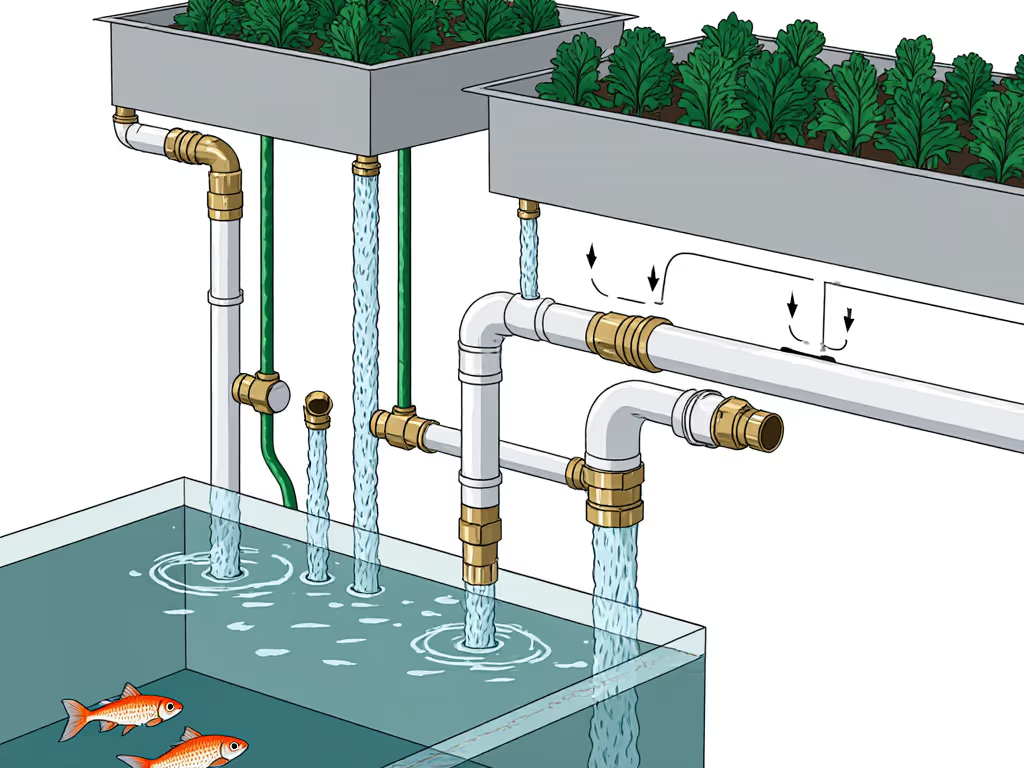
Your hose must work with your aquaponics system's specific flow requirements. Consider these factors for proper recirculating system compatibility:
-
Hose diameter: 5/8" provides the best balance of flow rate and manageability for most home aquaponics systems. Larger diameters (3/4") deliver more water but become heavy and difficult to maneuver.
-
Length matters: Keep it as short as possible (50 feet max for most backyard systems). Every extra foot creates friction loss that reduces flow to your fish tank and grow beds.
-
Connection quality: Look for solid brass fittings (not "brass-plated") that won't corrode. Standard garden hose thread (GHT) is 3/4" diameter with 11.5 threads per inch, so verify compatibility with your aquaponics plumbing.
Pay particular attention to shutoff valves and nozzle connections. Cheap plastic components often develop leaks or restrict flow, compromising your entire aquaponics water circulation. A simple twist test (does the connection feel solid without excessive force?) can save hours of troubleshooting later.
Step 5: Implement Your Strain-Free Setup for Daily Success
The final step is implementation, setting up your hose system for daily use without compromising safety or comfort. Follow these practical tips:
-
Store properly: Use a wall-mounted reel at waist height to avoid bending. For options that protect hoses from sun and weather, see our weatherproof hose reel picks. Horizontal reels often trap water that can degrade hose materials over time.
-
Winterize thoroughly: Even in mild climates, drain completely after use. For step-by-step seasonal prep, follow our garden hose care guide. Residual water encourages bacterial growth that affects water quality.
-
Replace washers regularly: Use NSF-61 compliant rubber washers (not standard vinyl) at all connections to prevent leaks and contamination.
-
Flush before use: Always run water for 30 seconds before connecting to your aquaponics system, especially after storage.
I've seen aquaponics beginners skip these simple steps, only to confront mysterious fish deaths or stalled plant growth weeks later. Meanwhile, gardeners using thoughtfully selected, food-safe hoses enjoy consistent harvests without second-guessing their water quality.
Creating Lasting Harmony Between Hose and Ecosystem
Choosing the best garden water hose for your aquaponics system isn't about finding the cheapest option or the one with the most features, it's about creating harmony between your watering tools and your living ecosystem. When you prioritize fish-safe materials alongside ergonomic design, you're not just selecting a hose; you're investing in the long-term health of your entire system.
The right hose becomes nearly invisible in your routine, with no kinks to curse and no worries about contaminants, just reliable water delivery that supports both your fish and your harvests. Over the years, I've watched gardeners transform from hesitant beginners to confident practitioners simply by getting this one element right.
Ready to deepen your aquaponics knowledge? Explore our detailed guide on testing water chemistry for aquaponics systems, which pairs perfectly with your new fish-safe watering system and helps you interpret what's really happening in your water. Remember, in aquaponics, every component matters, and your hose is no exception. When comfort and safety guide your choices, your entire system thrives.
Related Articles